
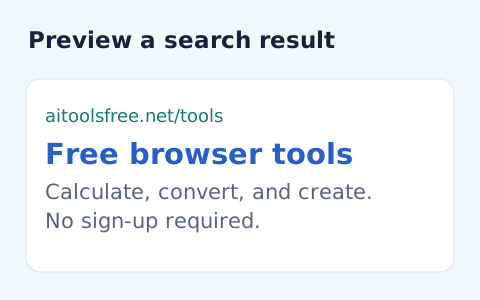
SERP Snippet Preview
Create an approximate search-result snippet and inspect title width and text length.
Open toolParse an absolute HTTP or HTTPS URL with the browser URL API and list its components and query entries. No request is sent to the URL.
Enter the inputs, then select Parse URL.
Result will appear here
Parse an absolute HTTP or HTTPS URL with the browser URL API and list its components and query entries.
No request is sent to the URL. This does not check availability, redirects or safety. Repeated query parameters retain their order.
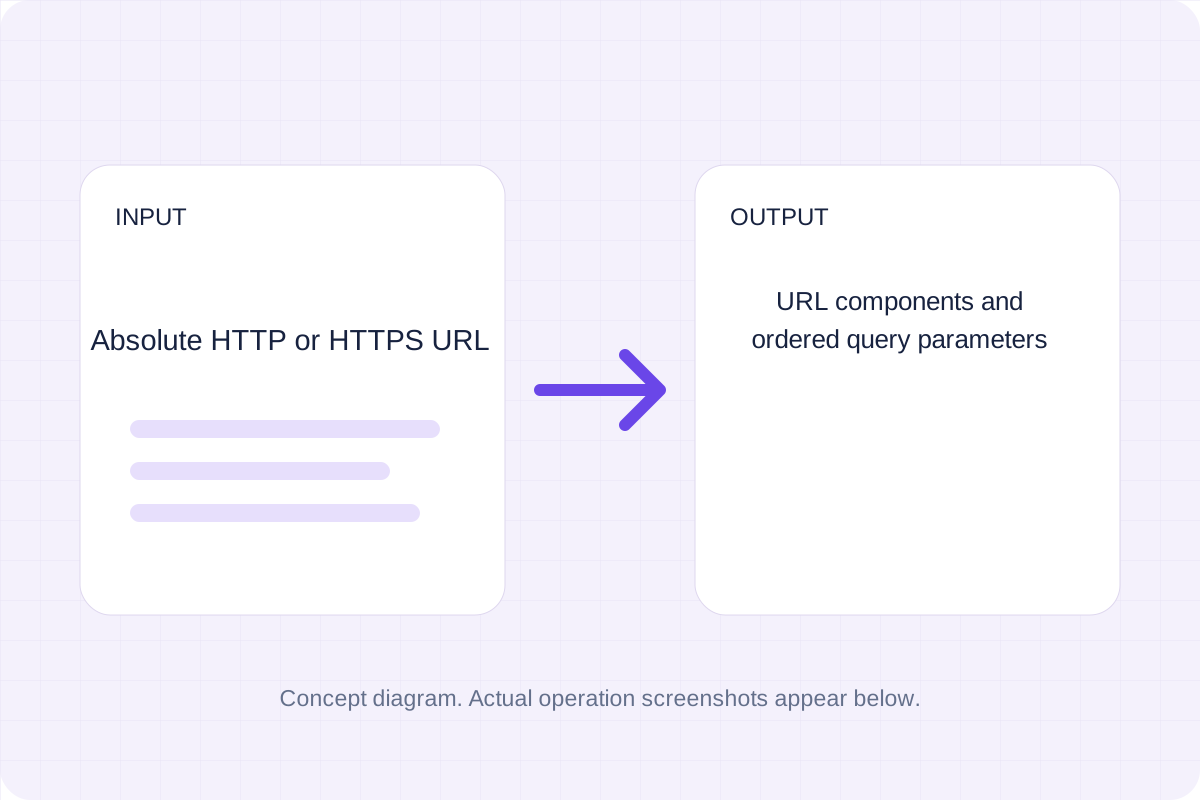
Start with your own input.
Replace the example with the absolute http or https url you want to process. No request is sent to the URL.
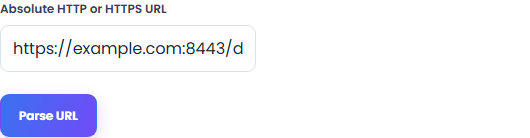
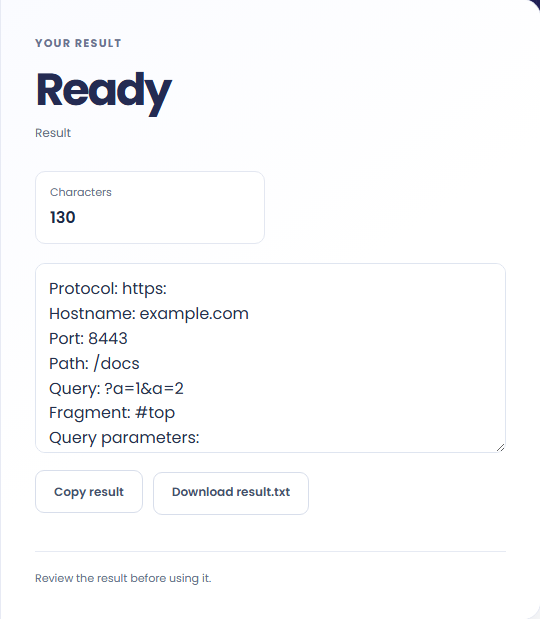
Select Parse URL. Review URL components and ordered query parameters, then use Copy result or Save result.
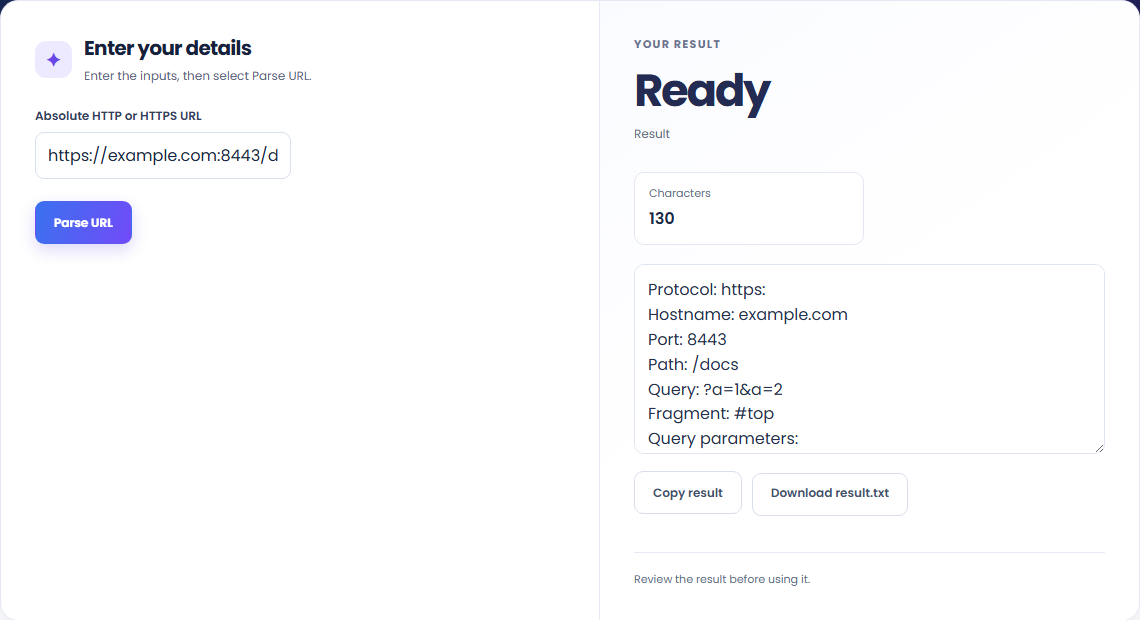
To inspect a copied link, start with absolute http or https url. Parse an absolute HTTP or HTTPS URL with the browser URL API and list its components and query entries.

To review repeated query keys, start with absolute http or https url. No request is sent to the URL.

To check an encoded URL component, start with absolute http or https url. Copy the result into your working document, or save a local file for later review.

Check what the output means.
URL components and ordered query parameters. Parse an absolute HTTP or HTTPS URL with the browser URL API and list its components and query entries.
No request is sent to the URL. This does not check availability, redirects or safety. Repeated query parameters retain their order.

Check the format before processing.
No request is sent to the URL. This does not check availability, redirects or safety. Repeated query parameters retain their order.
Inputs and results are processed locally. Keep your source and save the output you need before leaving.

Create an approximate search-result snippet and inspect title width and text length.
Open tool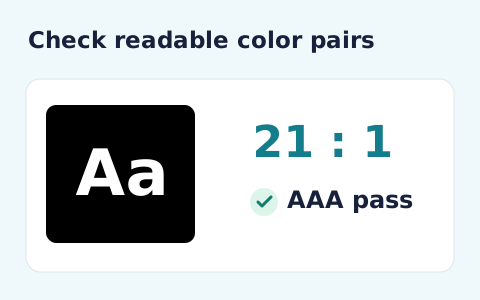
Calculate the WCAG 2 contrast ratio and AA/AAA results for normal and large text.
Open tool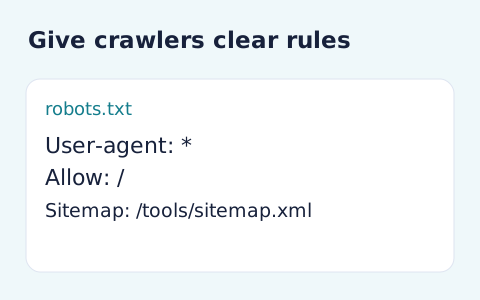
Generate robots.txt from a user-agent token and newline-separated allow and disallow paths.
Open toolChoose another tool for your next calculation, conversion, or text task.
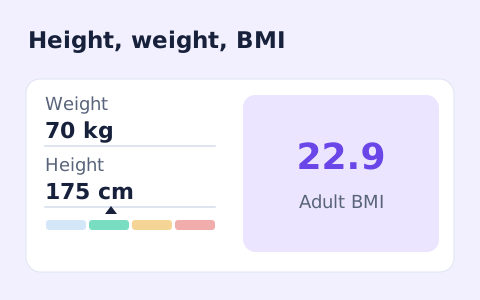
A free adult BMI calculator with metric inputs, a clear BMI category, and the calculation shown.
Open tool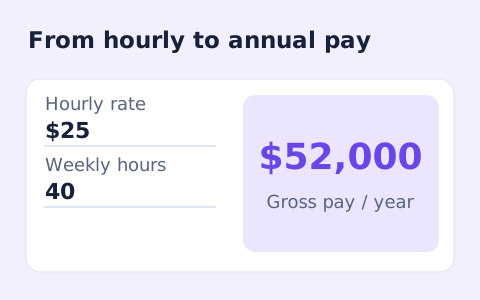
Convert hourly pay to gross annual, monthly, and weekly salary using your own working hours and weeks.
Open tool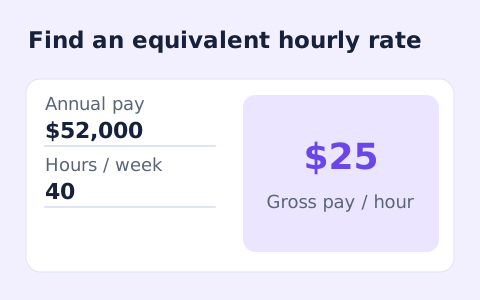
Convert annual gross salary into an hourly rate from your hours per week and paid weeks per year.
Open tool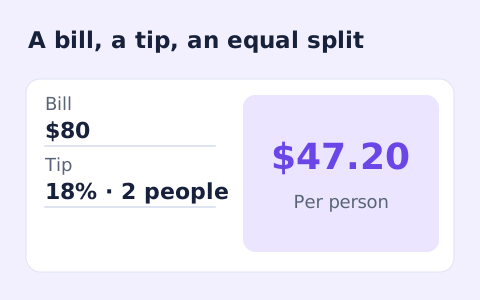
Quickly split a bill with a percentage tip. See the tip amount, total, and per-person amount.
Open toolCheck the result and copy or save the output.
Answers about using URL Parser and understanding its results.
Url components and ordered query parameters. No request is sent to the URL. This does not check availability, redirects or safety. Repeated query parameters retain their order.
Yes. Use Copy result or Save result after processing. Inputs and results are handled in this browser; save what you need before leaving.