
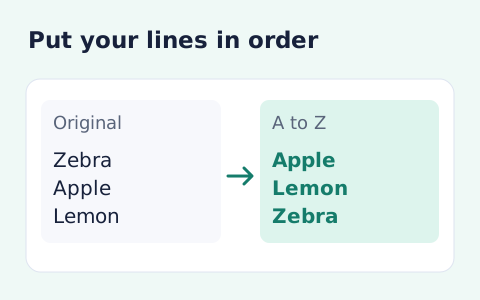
Sort Text Lines
Sort text lines A–Z or Z–A, optionally removing blank and duplicate lines, then copy the result.
Open toolReverse Unicode grapheme clusters, or reverse whitespace-separated words. Character mode preserves emoji and combining sequences.
Enter the inputs, then select Reverse text.
Result will appear here
Reverse Unicode grapheme clusters, or reverse whitespace-separated words.
Character mode preserves emoji and combining sequences. Word mode normalizes word separators to single spaces.
Start with your own input.
Replace the example with the source text you want to process. Character mode preserves emoji and combining sequences.
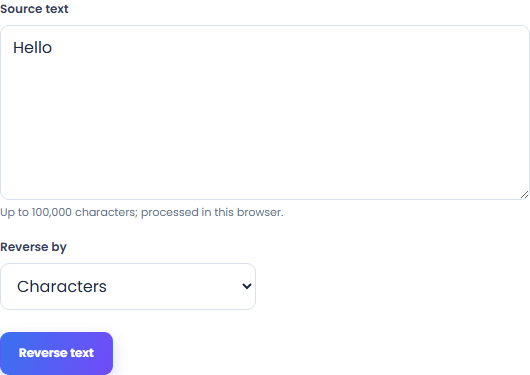
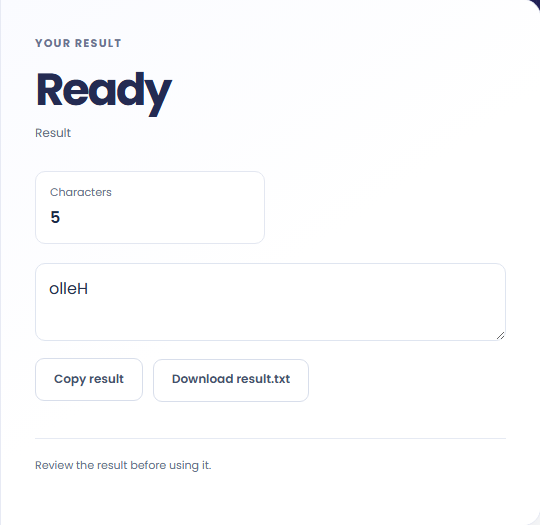
Select Reverse text. Review text in reversed grapheme or word order, then use Copy result or Save result.
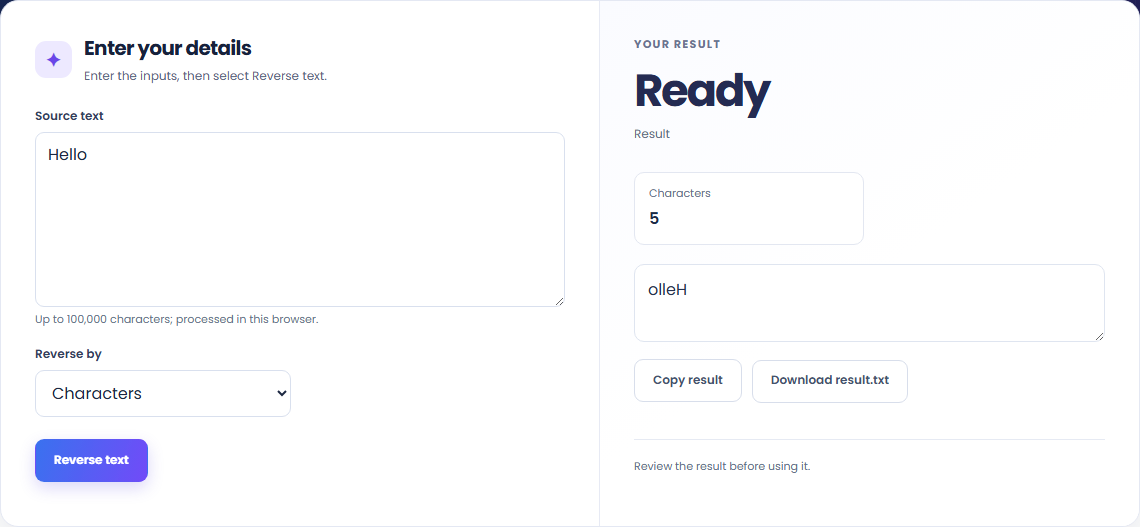
To inspect reversed characters, start with source text. Reverse Unicode grapheme clusters, or reverse whitespace-separated words.

To reverse a word list, start with source text. Character mode preserves emoji and combining sequences.

To check Unicode grapheme handling, start with source text. Copy the result into your working document, or save a local file for later review.

Check what the output means.
Text in reversed grapheme or word order. Reverse Unicode grapheme clusters, or reverse whitespace-separated words.
Character mode preserves emoji and combining sequences. Word mode normalizes word separators to single spaces.

Check the format before processing.
Character mode preserves emoji and combining sequences. Word mode normalizes word separators to single spaces.
Inputs and results are processed locally. Keep your source and save the output you need before leaving.

Sort text lines A–Z or Z–A, optionally removing blank and duplicate lines, then copy the result.
Open tool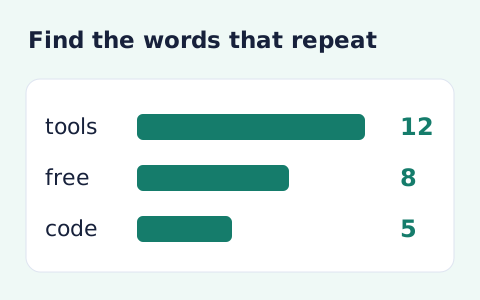
Analyze word counts and term frequency locally with Unicode aware word matching.
Open tool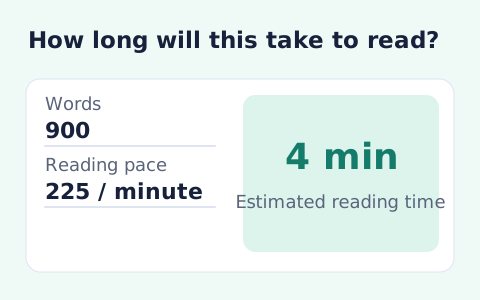
Paste text and estimate reading time from its word count and your chosen reading speed.
Open toolChoose another tool for your next calculation, conversion, or text task.
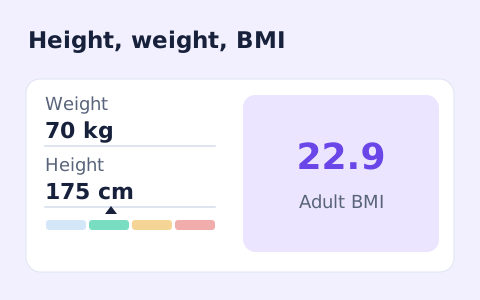
A free adult BMI calculator with metric inputs, a clear BMI category, and the calculation shown.
Open tool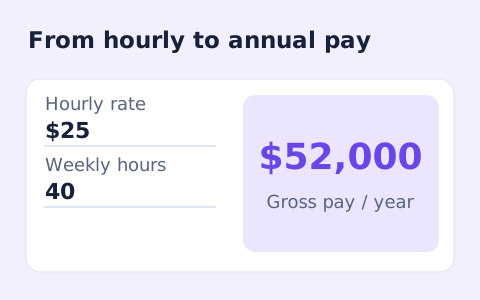
Convert hourly pay to gross annual, monthly, and weekly salary using your own working hours and weeks.
Open tool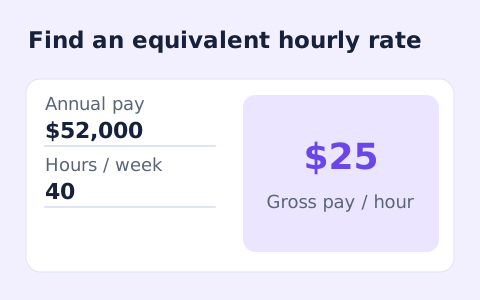
Convert annual gross salary into an hourly rate from your hours per week and paid weeks per year.
Open tool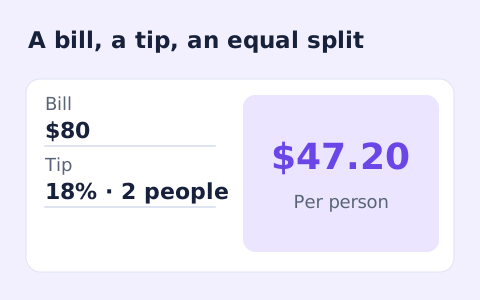
Quickly split a bill with a percentage tip. See the tip amount, total, and per-person amount.
Open toolAnswers about using Reverse Text and understanding its results.
Text in reversed grapheme or word order. Character mode preserves emoji and combining sequences. Word mode normalizes word separators to single spaces.
Yes. Use Copy result or Save result after processing. Inputs and results are handled in this browser; save what you need before leaving.
Check the result and copy or save the output.