
QR code scanner
Read a QR code from a local PNG, JPEG or WebP image. The decoded text appears on the page; links are not opened automatically.
Open toolExtract the visible frames of an animated GIF as full-canvas PNG images. Download a ZIP with frame delays and loop metadata for review.
Enter the inputs, then select Extract GIF frames.
Result will appear here
Decode every supported frame, apply GIF disposal rules, then encode full-canvas PNGs.
Processing uses bundled libraries in this browser. The download contains the generated file, rather than a link to a conversion service.
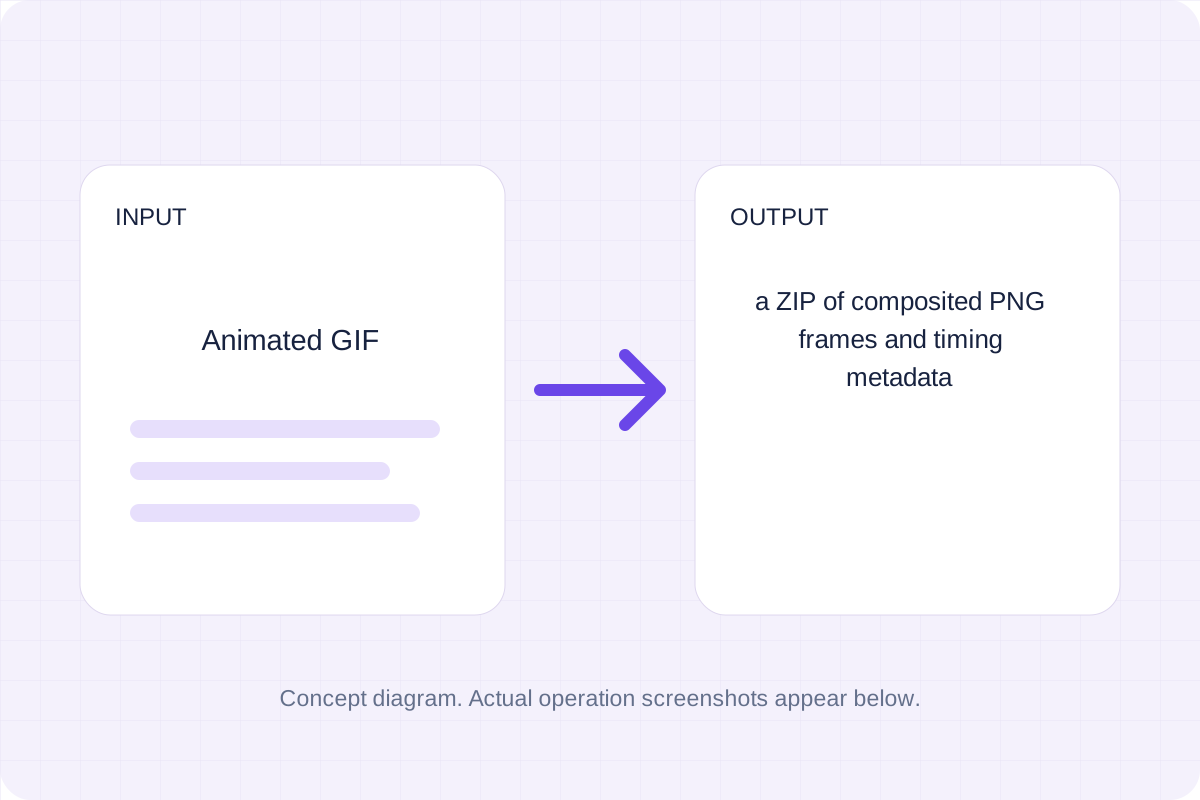
Start with the supported input, then check the generated result.
Choose Animated GIF. The file stays in this browser; it is not saved by the page.
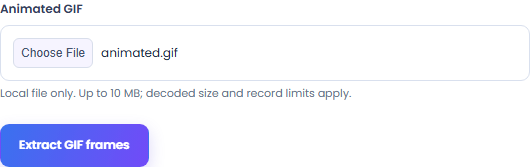
Read the supported input format and size limits before submitting.
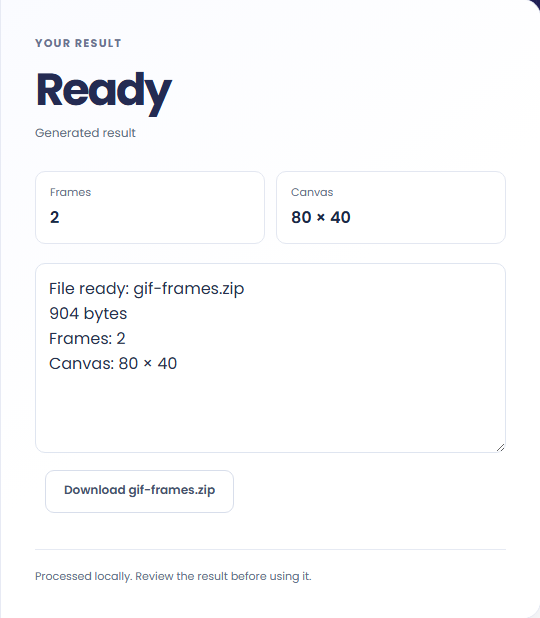
Review a ZIP of composited PNG frames and timing metadata. Download the generated file and check it in the application where you plan to use it.
These workflows use the formats and behavior supported by this implementation.
Compare the composited PNGs to see what changes from one frame to the next, including changes made by GIF disposal rules.
Choose a still image from the ZIP when a slide, document or issue report needs one visible moment from an animation.
Read timing.csv alongside the images. The exported delay values describe the source frames; PNG files themselves do not animate.
Keep the output format and conversion policy in view.
A ZIP of composited PNG frames and timing metadata. Decode every supported frame, apply GIF disposal rules, then encode full-canvas PNGs.
Compare the result with the original before replacing a source file. Conversion limits are listed below.
Check these conditions before relying on the result.
Up to 200 frames and 64 million decoded pixels. PNG frames preserve the visible composition; the ZIP includes delays and loop metadata, not an animation.
Input and results are not stored after leaving or reloading. Keep the original and download any output you need.

Read a QR code from a local PNG, JPEG or WebP image. The decoded text appears on the page; links are not opened automatically.
Open tool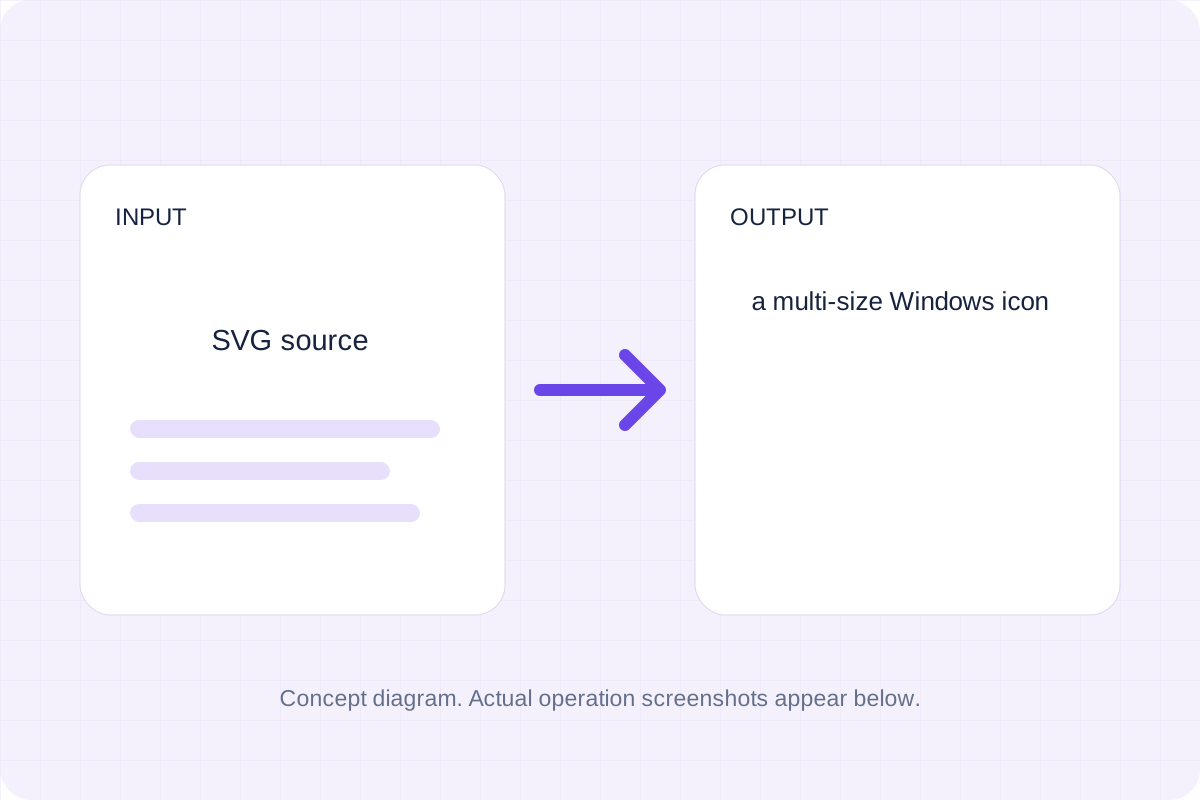
Convert self-contained SVG source into a Windows icon with six sizes. Review the rasterized result for the software where you will use the ICO.
Open tool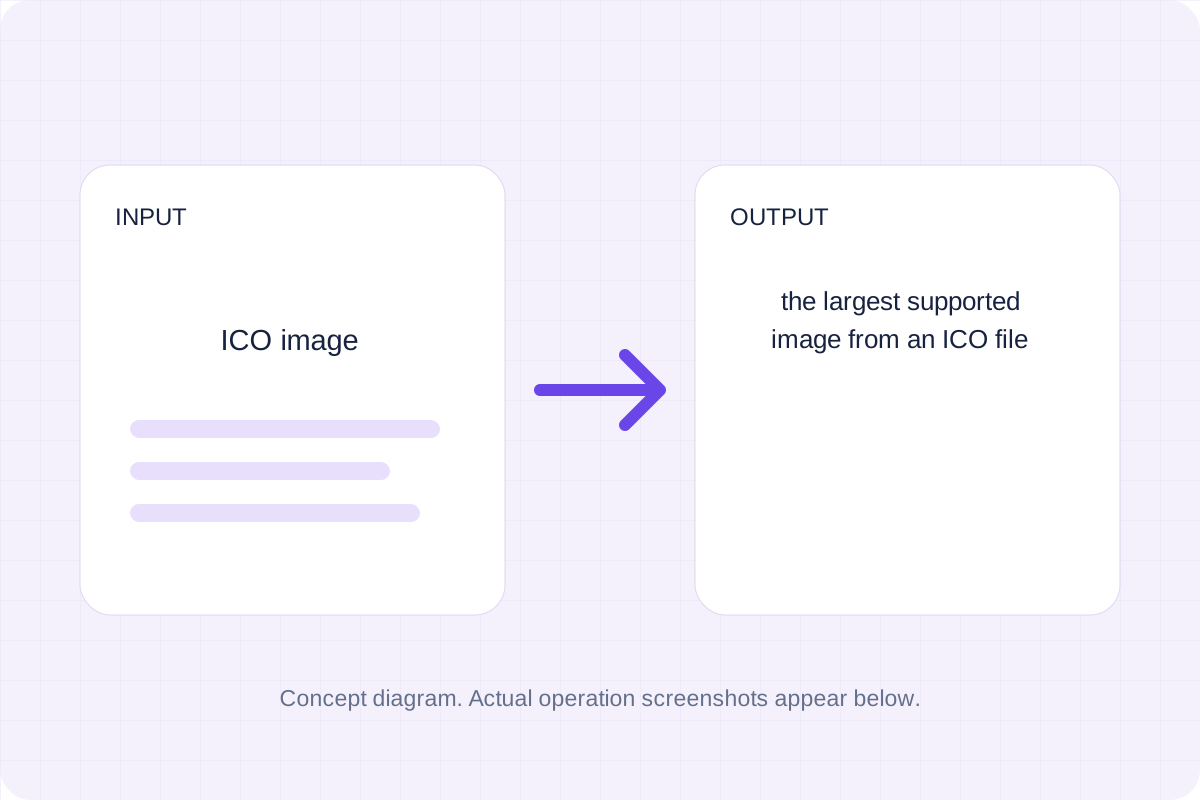
Extract the largest supported image from a Windows ICO file. Decode PNG or 24/32-bit bitmap entries and save the selected pixels as PNG.
Open toolChoose another tool for your next calculation, conversion, or text task.
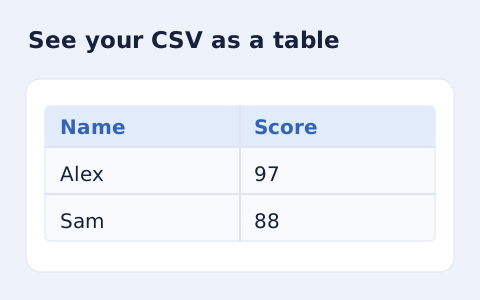
Inspect quoted CSV cells in a readable table without uploading your data.
Open tool
Check CSV quoting and consistent column counts, then review the record count and selected delimiter.
Open tool
Compare two JSON values by structure. See changed paths without treating object key order as a difference.
Open tool
Validate JSON against a draft-07 or 2020-12 schema. Review error paths without sending the documents to a server.
Open toolGenerate the supported output, review it, and save a copy for your next step.
Answers about using GIF Frame Extractor and understanding its results.
It produces a ZIP of composited PNG frames and timing metadata. Up to 200 frames and 64 million decoded pixels. PNG frames preserve the visible composition; the ZIP includes delays and loop metadata, not an animation.
Processing runs in this browser with local bundled libraries. No input is sent to a conversion server. Download your result before leaving the page.