TSV to CSV Converter
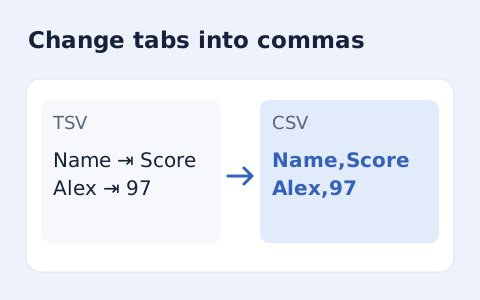
Convert tab-delimited records into quoted CSV without losing multiline cells.
Open toolParse CSV and escape pipes, backslashes and line breaks in a Markdown table. The first record is the header.
Enter the inputs, then select Convert CSV.
Result will appear here
Parse CSV and escape pipes, backslashes and line breaks in a Markdown table.
The first record is the header. HTML-special characters are escaped; multiline cells use a line-break tag. Up to 10,000 records, 100 columns and 100,000 source characters.
Start with your own input.
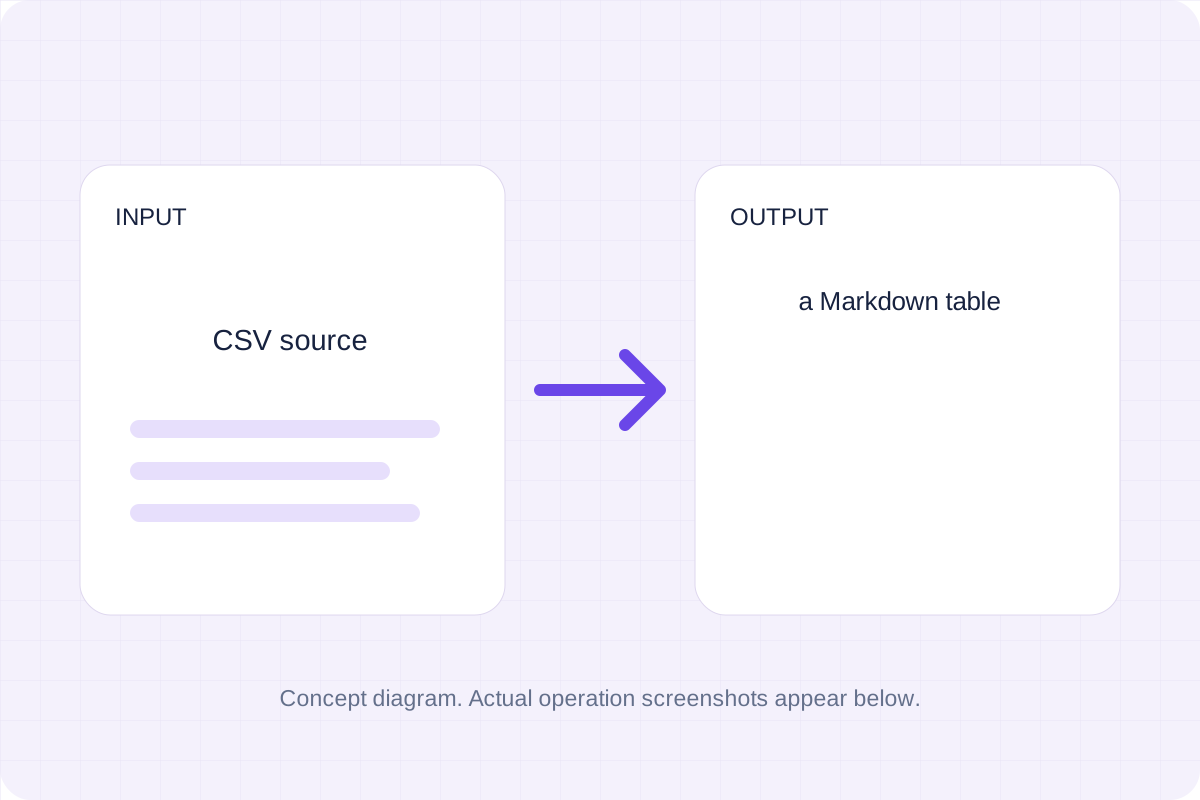
Replace the example with the csv source you want to process. The first record is the header.
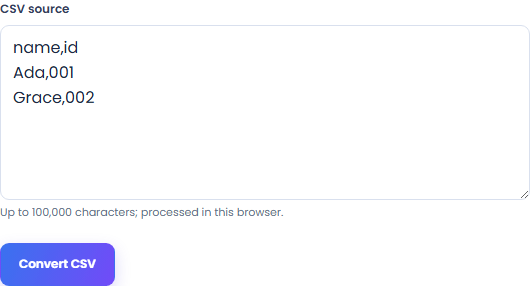
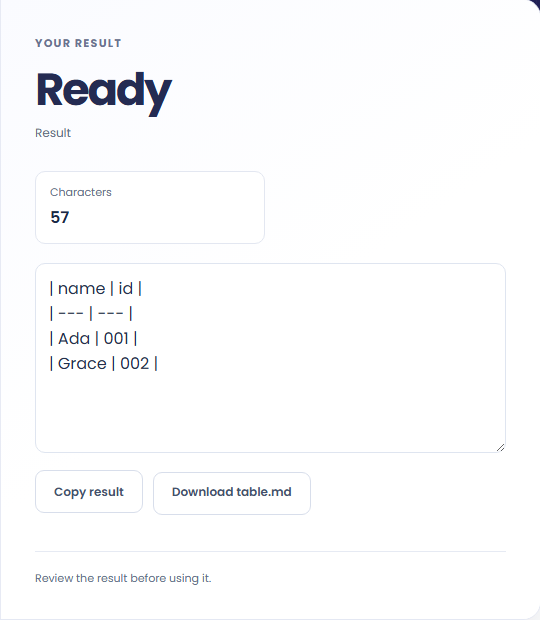
Select Convert CSV. Review a Markdown table, then use Copy result or Save result.
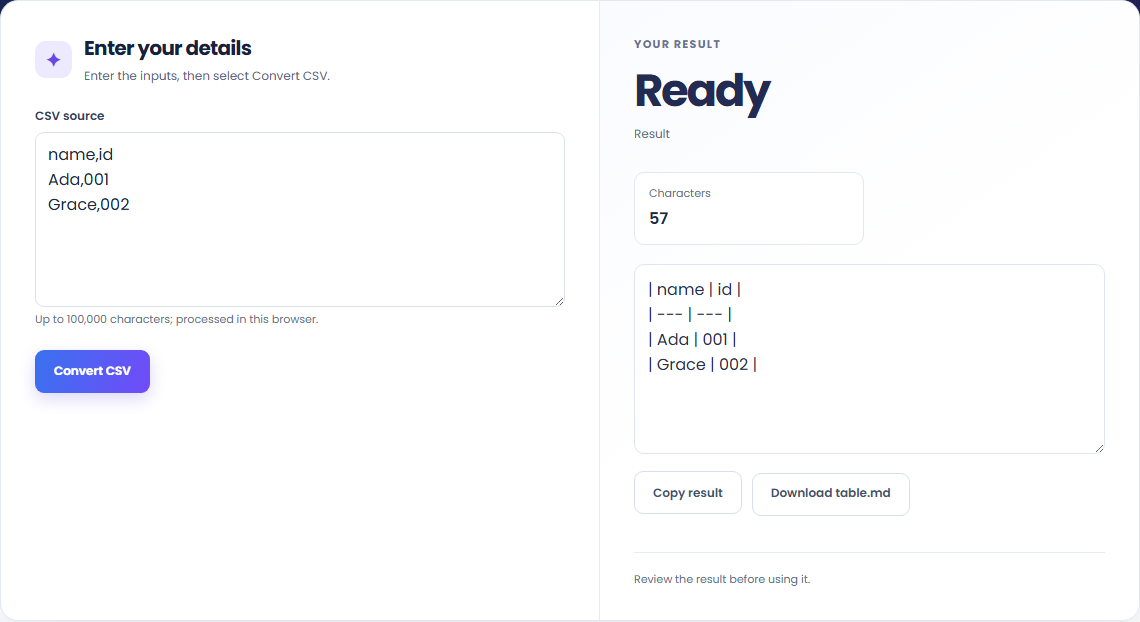
To paste a table into a README, start with csv source. Parse CSV and escape pipes, backslashes and line breaks in a Markdown table.

To prepare documentation data, start with csv source. The first record is the header.

To move a spreadsheet excerpt into Markdown, start with csv source. Copy the result into your working document, or save a local file for later review.

Check what the output means.
A Markdown table. Parse CSV and escape pipes, backslashes and line breaks in a Markdown table.
The first record is the header. HTML-special characters are escaped; multiline cells use a line-break tag. Up to 10,000 records, 100 columns and 100,000 source characters.

Check the format before processing.
The first record is the header. HTML-special characters are escaped; multiline cells use a line-break tag. Up to 10,000 records, 100 columns and 100,000 source characters.
Inputs and results are processed locally. Keep your source and save the output you need before leaving.

Choose another tool for your next calculation, conversion, or text task.
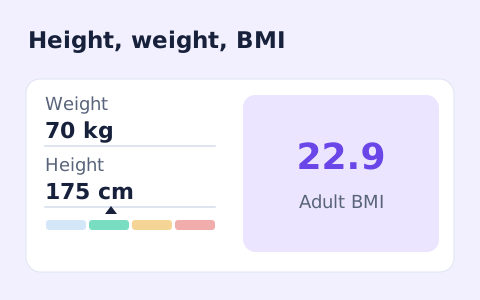
A free adult BMI calculator with metric inputs, a clear BMI category, and the calculation shown.
Open tool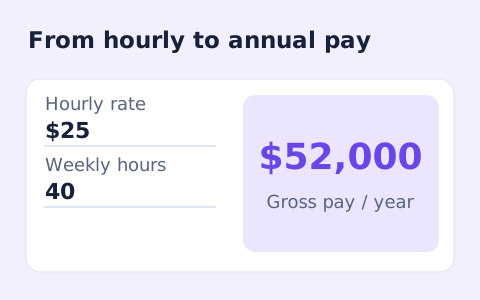
Convert hourly pay to gross annual, monthly, and weekly salary using your own working hours and weeks.
Open tool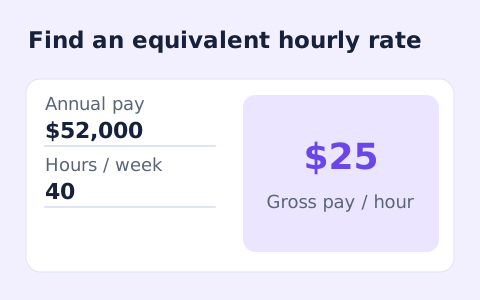
Convert annual gross salary into an hourly rate from your hours per week and paid weeks per year.
Open tool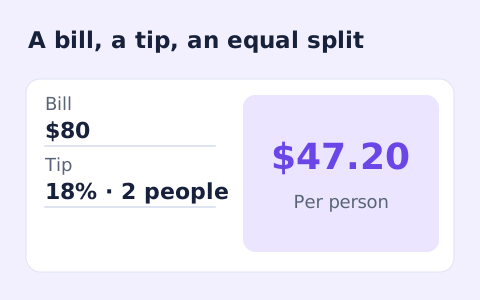
Quickly split a bill with a percentage tip. See the tip amount, total, and per-person amount.
Open toolCheck the result and copy or save the output.
Answers about using CSV To Markdown Table and understanding its results.
A markdown table. The first record is the header. HTML-special characters are escaped; multiline cells use a line-break tag. Up to 10,000 records, 100 columns and 100,000 source characters.
Yes. Use Copy result or Save result after processing. Inputs and results are handled in this browser; save what you need before leaving.